Startup Success in 2025: Best 10 Fractional CFO Services to Lower Burn Rate & Grow Profits
Does the idea of hiring an accountant for your business make you overwhelmed? Employing the
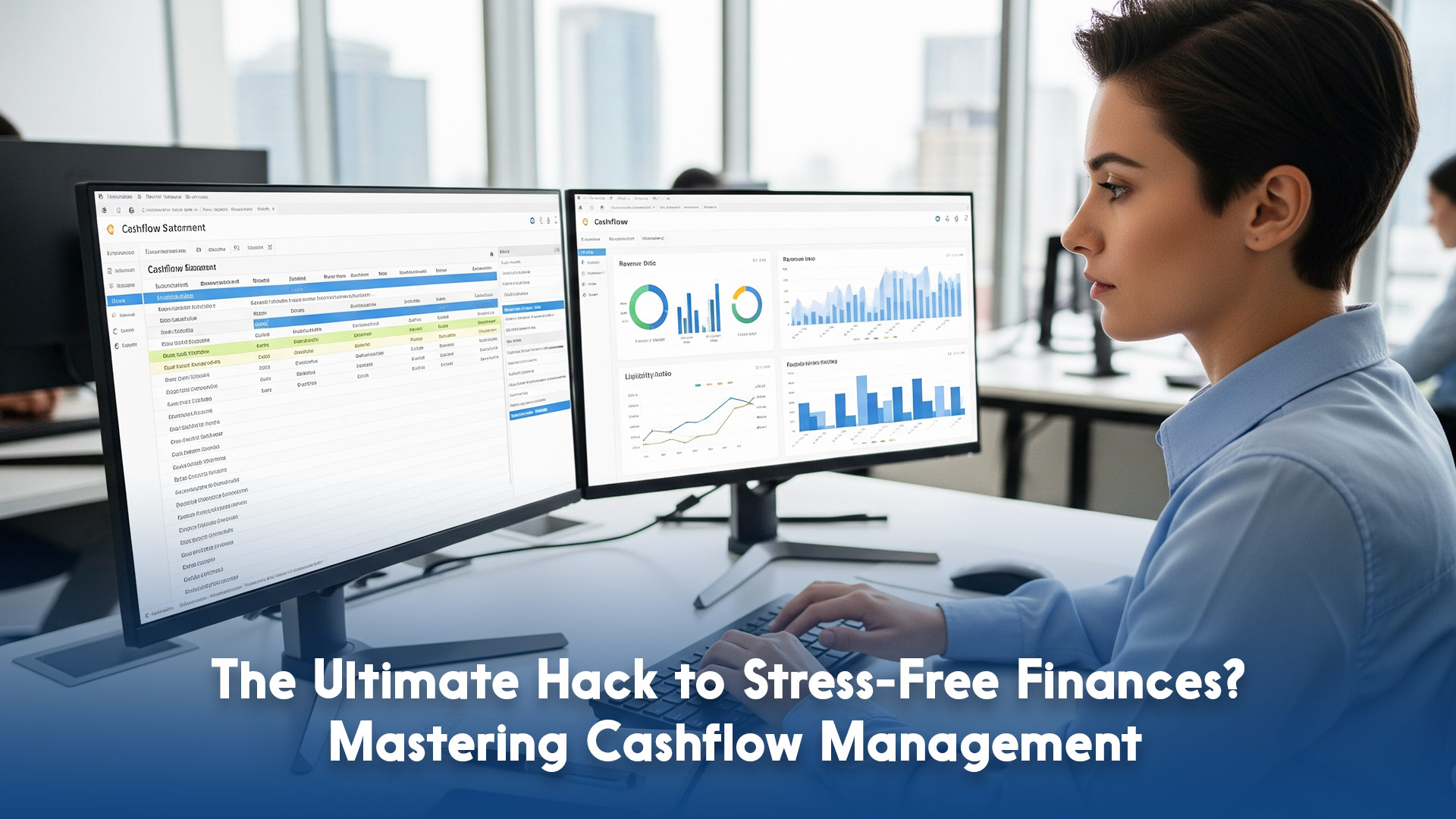
Do you feel your money disappears before you even notice? Does the ping of unexpected bills make your stomach drop? If you’re nodding along, you’re not alone. Smart business owners turn that chaos into calm by mastering cashflow management. When you get ahead of your cash—knowing where it’s going and why—you reclaim peace and control. I’ve seen how effective cashflow management unlocks financial clarity, ease, and growth. It’s not just about balancing accounts—it’s your financial superpower.
Cashflow management means tracking and controlling the timing of money moving in and out of your business. You’re not just watching balances—you’re proactively planning when bills go out and revenue comes in. It’s about cash flow planning, accurate cash flow forecasting, and routine cash flow analysis to anticipate peaks and pitfalls. By managing your cashflow, you avoid surprises, prevent shortages, and stay nimble. When you treat it as a priority, your business doesn’t just survive—it thrives. That’s the power of mastering cashflow management.
Creating a 13-week rolling cash flow forecast gives you full visibility into your future cash position. It helps you anticipate shortages, plan spending, and prepare for large expenses or slow revenue periods. By updating it weekly, your cashflow management becomes proactive, not reactive. This type of cash flow planning ensures you’re always a few steps ahead—ready to make informed decisions instead of rushing to cover costs when money gets tight. It’s your roadmap to financial clarity.
Manual tracking wastes time and invites errors. Automating your inflows and outflows with accounting tools like QuickBooks or Xero simplifies cashflow management and gives you real-time accuracy. Categorized data lets you spot trends instantly and helps with smoother cash flow forecasting. You get more time to run your business—and fewer surprises. With automation, your reports become reliable, updates are instant, and your financial decisions are based on facts, not estimates. That’s smarter and faster management.
See Also: Top 10 Fractional CFO Firms in 2025 to Maximize B2B Profitability
Cash reserves act as a buffer during unexpected dips in revenue or sudden expenses. Building a reserve equal to 2–4 weeks of operating costs strengthens your cashflow management and provides peace of mind. You don’t panic when a client pays late or an invoice spikes. Instead, you operate confidently, knowing you have a cushion. A reserve fund supports steady operations and keeps your business stable. It’s essential in any strong cash flow planning strategy.
Want faster payments? Offer your clients small discounts for paying invoices early. Even a 2% discount can encourage quicker cash inflow and improve working capital. It’s a simple cashflow management tactic that makes a real difference. You get paid faster, reduce collection delays, and build loyalty with your customers. Consistent, early payments reduce the need for credit or emergency funding and help smooth out your cash flow forecasting. It’s a win-win for everyone involved.
Vendors aren’t just suppliers—they’re partners. Ask for more flexible payment terms, like net-45 or net-60 instead of net-30. Stretching your payables gives you extra time to collect receivables, strengthening cashflow management without borrowing money. These improved terms give you room to maneuver during slower months and make cash flow planning far less stressful. Regularly reviewing contracts and renegotiating can lead to big gains in your working capital and financial flexibility.
Hidden subscriptions can quietly drain your cash. Review them monthly and cut what you no longer use. This small habit quickly boosts your cashflow management by reducing waste. Use cash flow analysis to track recurring charges and identify what’s adding value—and what’s not. Trimming just a few forgotten tools or services can free up hundreds or even thousands of dollars annually. It’s low-effort, high-impact, and puts you back in control of where your money goes.
Why wait a month to find a problem you could’ve solved last week? Weekly reviews make your cashflow management nimble and responsive. They help you spot trends, cash gaps, or overspending before they become serious. You can adjust budgets, follow up on invoices, or tweak your strategy fast. Weekly check-ins also build financial discipline and lead to better cash flow analysis. The more frequently you look, the more in control you feel—and the fewer surprises you face.
Mastering cashflow management is your stress-busting superpower. It brings clarity, removes surprises, and lays a foundation for confident decisions. The secret? Take control of visibility, consistency, tools, and forecasts—because when money doesn’t scare you, you lead with freedom. You deserve stress-free finances—and mastering your cashflow makes it possible.
At Profit Spear, a startup consultant in US, our goal is to handle your finances with utmost integrity and diligence. We support you with precise cashflow management, accurate bookkeeping, and insightful reporting. You’ll get transparent financial statements and expert cash flow analysis, empowering you to make smart decisions, reduce taxes, and stay ready for banks, lenders, or investors. When you team up with Profit Spear, your numbers are clear—and your future secure.
Cash flow management is the process of tracking, analyzing, and optimizing the movement of money in and out of your business. It helps ensure you have enough cash to cover expenses, grow sustainably, and avoid financial shortfalls.
Tools like QuickBooks, Xero, Float, and Pulse help automate cash tracking, forecasting, and reporting. They integrate with your accounting systems, giving you real-time insights to make better financial decisions and manage your cash flow efficiently.
Cash flow management is crucial because it keeps your business solvent. It helps prevent shortfalls, supports timely payments, and ensures smooth daily operations. Without it, even profitable businesses can struggle or fail due to cash shortages.
You can improve cash flow by invoicing faster, cutting unnecessary expenses, renegotiating vendor terms, and offering early payment discounts. Consistent cash flow forecasting and monitoring help identify gaps early and keep your business financially stable.
Negative cash flow is often caused by late client payments, high overhead costs, slow sales, or poor budgeting. It happens when expenses exceed income, making it difficult to pay bills, reinvest, or maintain operations without borrowing.

Does the idea of hiring an accountant for your business make you overwhelmed? Employing the

Does the idea of hiring an accountant for your business make you overwhelmed? Employing the

Does the idea of hiring an accountant for your business make you overwhelmed? Employing the

Does the idea of hiring an accountant for your business make you overwhelmed? Employing the

Does the idea of hiring an accountant for your business make you overwhelmed? Employing the