Profit Spear Consulting LLC

Startup Financial Planning 2025: The Key Difference Between Budgeting and Forecasting for Small Business Success

Are you making big plans for your startup in 2025?  Do you know how the difference between budgeting and forecasting can make or break your business? If you’re like most startup founders, you’re juggling cash flow, growth plans, and a rapidly changing market. But here’s the truth—without understanding the difference between budgeting and forecasting, you’re navigating blind.

In this blog, we’ll show you how these two financial tools serve different purposes—and why both are critical for startup financial planning. Whether you’re seeking financial consulting for startups or working with fractional CFO services, this is your roadmap. Let’s get your numbers working for you—not against you.

See Also: Unlock Financial Freedom: Simple Steps for Financial Planning Process

What is Budgeting?

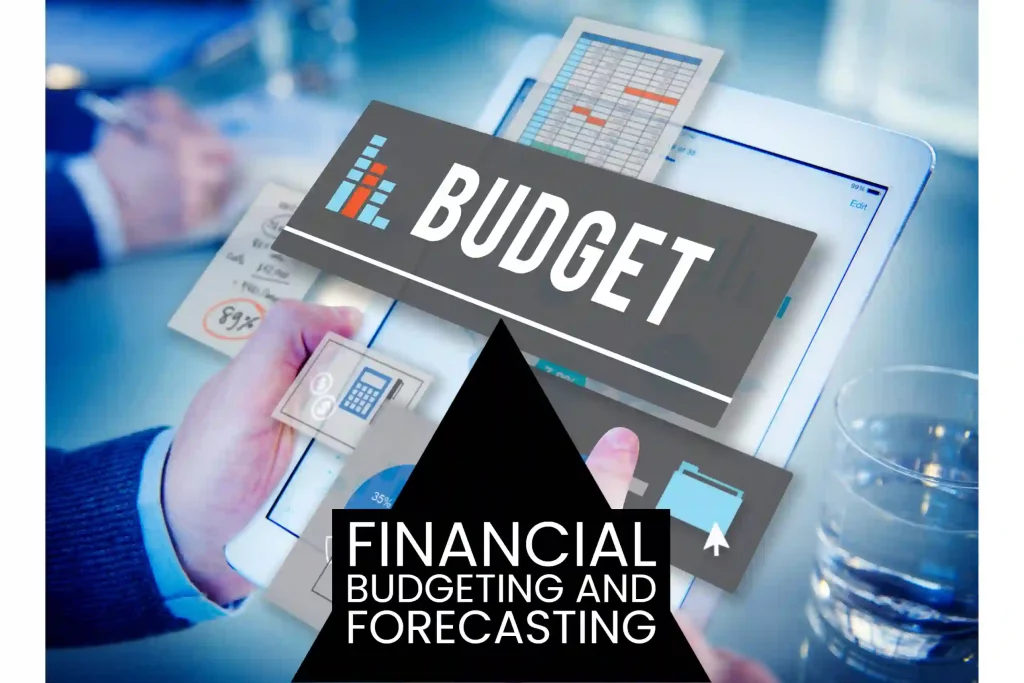
Budgeting is your startup’s financial blueprint. It’s a fixed plan that outlines your revenue, expenses, and savings goals—usually over a 12-month period. Think of it as your financial map for the year. You’ll decide how much to spend on operations, marketing, salaries, and other business needs. Your budget helps you stick to limits, manage cash flow, and measure performance.

But here’s what many forget: A budget is only as strong as your ability to follow and adjust it. That’s why small business financial consulting can play a big role in keeping your budget realistic. In short, budgeting helps you manage resources—but not necessarily predict the future. Get in touch with us for accounting services in US!

What is Forecasting?

Forecasting is all about looking ahead. Unlike budgeting, forecasting uses current data, market trends, and historical performance to predict future financial outcomes.

It answers questions like:

  • How much revenue could we generate next quarter?
  • What if our customer base grows by 25%?


While a budget sets your financial goals, a forecast adjusts to new realities. This is where fractional CFO services shine—giving you real-time insights to make smarter decisions.

Forecasting isn’t fixed. It’s dynamic and always evolving, especially in the fast-paced world of startups.

The difference between budgeting and forecasting? One plans your journey, the other prepares you for the road ahead.

Key Differences Between Budgeting and Forecasting

Aspect

Budgeting

Forecasting

1. Purpose

Sets financial targets and limits

Predicts future outcomes based on data and trends

2. Flexibility

Fixed plan, rarely changes

Dynamic and continuously updated

3. Frequency

Typically created once per year

Reviewed and updated monthly or quarterly

4. Based On

Internal goals, strategy, and planned expenses

Real-time market trends, current performance, and historical data

5. Focus

Emphasis on cost control and financial discipline

Emphasis on growth, opportunity, and proactive planning

6. Responsiveness

Less responsive to change

Highly responsive to internal and external business shifts

7. Time Frame

Usually covers one fiscal year

Can cover short-term and long-term horizons

8. Detail Level

Detailed line-by-line breakdown of income and expenses

High-level projections, focused on big-picture trends

9. Usage

Used to manage spending and evaluate performance

Used to make strategic decisions and adjust plans in real time

Understanding the difference between budgeting and forecasting across these aspects will transform how you plan and pivot in 2025.

Why Startups Need Both in 2025

Let’s be real—2025 won’t wait for your business to catch up. Between market shifts, tech disruptions, and funding challenges, you need a financial edge. Here’s why having both budgeting and forecasting matters:


  1. You Get the Full Financial Picture – Budgeting gives you structure, while forecasting shows you movement. When used together, they help you track progress and adjust direction without losing control.


  1. Adapt Quickly to Change – Markets shift fast. A forecast lets you see what’s coming and react before it’s too late. You’ll be able to shift your budget to new priorities, ensuring your strategy stays aligned.


  1. Improve Investor Confidence – Investors don’t just want numbers—they want insights. A detailed budget shows you’re disciplined. A solid forecast shows you’re forward-thinking. Together, they boost credibility.


  1. Make Smart Hiring & Spending Decisions – Your budget may say you can hire now, but your forecast might say wait. Using both tools means you’ll never outgrow your revenue or underspend on growth.


  1. Spot Cash Flow Issues Early – Forecasting your revenue and expenses helps predict when you’ll hit a cash crunch. Combine that with budget controls, and you’ve got a powerful system to stay liquid.


  1. Fuel Strategic Growth – Using the difference between budgeting and forecasting smartly lets you test scenarios: What if you scale marketing? What if costs rise? What if you raise prices?


This is where financial consulting for startups becomes essential. A seasoned advisor helps you build forecasts that align with your business model, while using budgeting to lock in your growth plans.

Conclusion

The difference between budgeting and forecasting isn’t just technical—it’s strategic. One helps you set targets; the other helps you reach them. In 2025, smart startups will stop choosing between the two—and start mastering both. So ask yourself: Are you planning ahead or simply reacting? If you’re ready to build a financial system that grows with you, it’s time to make both budgeting and forecasting part of your strategy.

As a small business owner, leader, or CEO, every decision you make impacts your profitability and growth. It’s essential to have experts by your side who can provide the right insights, recommendations, and solutions to guide you toward success. That’s where we come in.

At Profit Spear Consulting, a startup bookkeeping services in US our team combines financial expertise to drive both profitability and growth for your business. Whether you’re looking to optimize your financial strategy, explore fractional CFO services, or need small business financial consulting tailored to your needs, we’re here to help you make informed decisions that lead to sustainable success.


See Also: Maximize your profit: Strategise your Small business accounting services on Track with Regulations

FAQs

1. What is the main difference between budgeting and forecasting?


Budgeting sets financial goals and spending limits for a fixed period, usually annually. Forecasting predicts future financial outcomes based on real-time data and trends. While budgeting is static, forecasting is dynamic and constantly evolving to reflect current conditions.


Yes, startups need both. Budgeting helps manage expenses and set financial goals, while forecasting provides flexibility and insight for growth. Using both tools ensures startups can plan ahead and adjust to market changes effectively and confidently.


Startup forecasts should be updated monthly or quarterly. This allows you to stay aligned with real-time data, market trends, and operational shifts—giving you the agility to respond quickly to opportunities or challenges as your business grows.


Absolutely. A strong budget shows you manage resources wisely, while accurate forecasts demonstrate your business’s future potential. Together, they build investor confidence by showing you have both strategic discipline and the ability to adapt to change.

Tools like QuickBooks, LivePlan, and Finmark streamline budgeting and forecasting. For deeper insights, working with financial consulting for startups or fractional CFO services can help create accurate, growth-focused financial plans tailored to your unique business needs.